What makes a film bad?

A filmmaker’s bad decision is still their decision.
Creative, yes. Logical, maybe!
Our philosophy of human authority begins around this principle that the filmmaker retains authorship over the choices that shape the work, including the questionable ones. Wouldn’t that let anyone become a filmmaker? Yes. Anyone could be a filmmaker, but what really differentiates a good filmmaker from a bad one? Technical competence seems an obvious answer until you encounter a beautifully photographed, immaculately graded and precisely edited film that leaves you feeling absolutely nothing.
There is a peculiar way we talk about films that may offer a clue. We leave the cinema praising the cinematography, the edit, the production design, the performance or the score. These can be genuine achievements, and some films deliberately make their technique conspicuous. Yet when one department becomes the principal thing we remember from a film that intended to absorb us as a whole, perhaps the compliment deserves examination. I suspect when you start noticing the technical aspects of a film, it might be bad. If the cinematography has become more interesting than what it is photographing, the camera may have won an argument the film never intended to have.
A film is like a full-course meal. If you like just the starter or the dessert, obviously you haven’t been full-coursed by the meal.
The starter might be extraordinary. You might spend the journey home talking about the dessert. The chef can take pride in both, but neither tells us whether dinner worked. Film behaves similarly. Writing, performance, cinematography, editing, sound, music and production design can each be impressive in isolation, while the experience produced by their combination remains strangely empty. Film departments are separated for the practical purpose of making films; audiences have no obligation to experience them separately.
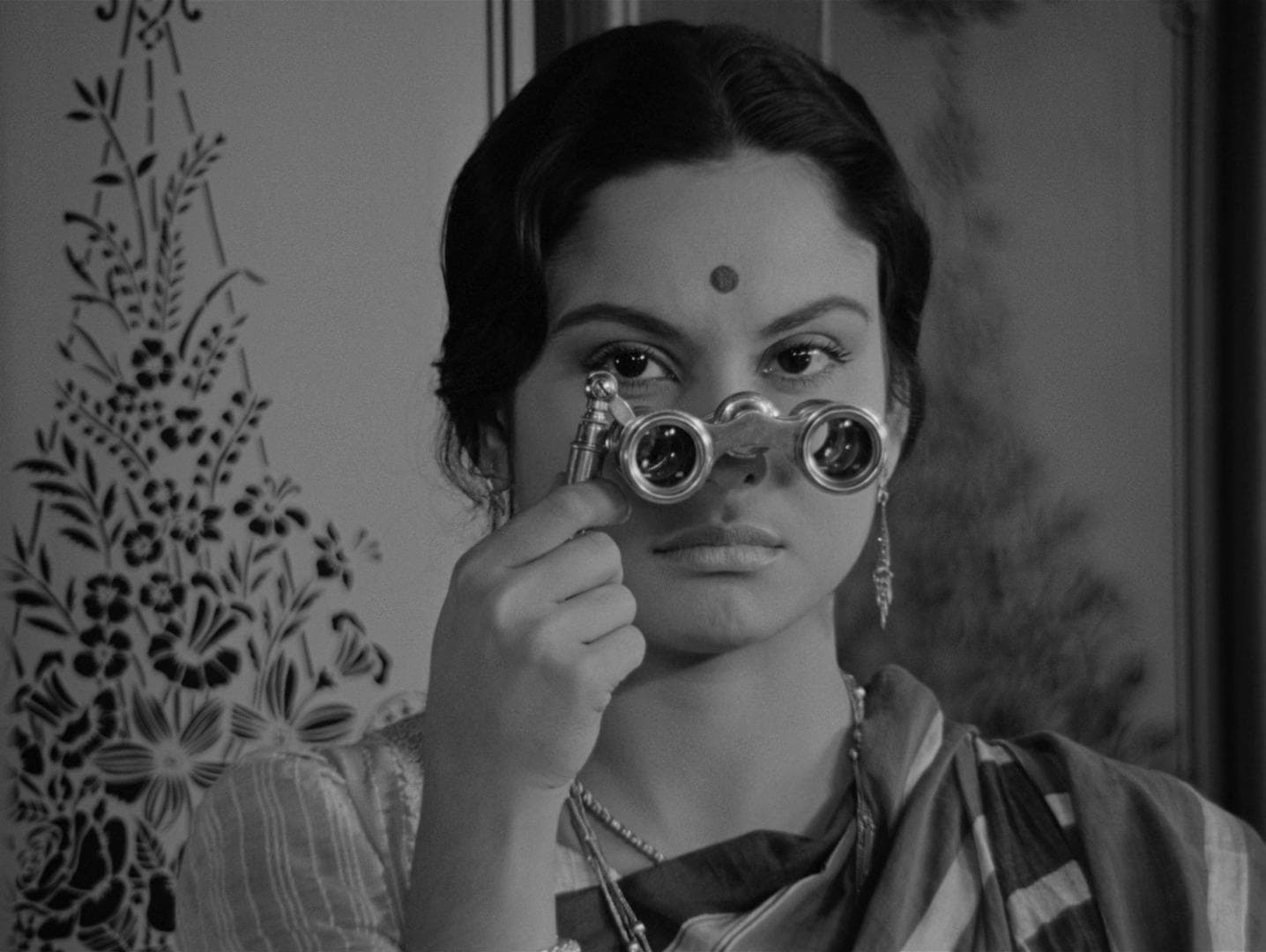
This makes judgement more useful than perfection when thinking about filmmakers. Every creative decision changes the relationship between other decisions. A lens alters our proximity to a character; an edit changes our experience of time; music can reveal an emotion or smother it; an extraordinary performance can expose weak writing that a quieter one might have carried. Good filmmaking requires an awareness of these relationships, including the intuition to leave something technically imperfect because it belongs to the film. Taste enters here too, which makes any universal formula conveniently impossible. Cinema has spent more than a century demonstrating that today's terrible decision occasionally becomes tomorrow's influential one.
Human authority therefore carries a less romantic companion: responsibility. Giving filmmakers control over their work also gives them room to misjudge it. Technology can provide knowledge, reveal relationships and remove unnecessary production friction, but sophistication cannot manufacture taste. A bad filmmaker with an advanced knowledge model is still a bad filmmaker. We should probably be grateful for that; otherwise filmmaking would eventually become an optimisation exercise with excellent metadata.
Perhaps a good filmmaker is someone whose decisions accumulate into an experience larger than the individual crafts used to construct it. You stop inspecting the cinematography, editing, sound and performance because you are occupied by the film. Later, you can pull it apart and discover how those decisions worked. During the film, they have already done their job.
A great meal rarely leaves you thinking about the efficiency of the oven.