The Artist's Responsibility

Filmmaking carries responsibility because stories enter the way we understand one another. They give shape to memory, desire, fear, belonging and difference, sometimes long after the circumstances that produced them have disappeared. A filmmaker chooses where the camera looks, how long it stays, whose interior life deserves attention and which details remain outside the frame. Those choices may begin as questions of story or craft, yet together they form an argument about people. Even a film determined to avoid making a statement eventually says something through what it chooses to notice.
The artist therefore has a peculiar obligation to remain interested in what familiarity makes easy to ignore.
Every society develops settled explanations for itself: ideas about family, success, morality, class, gender, work, power, beauty and belonging that become so ordinary they cease to appear constructed at all. Artists have the useful habit of becoming inconvenient around such certainty. They return to experiences that have been simplified, expose contradictions hidden beneath respectable language and give form to lives that conventional narratives have reduced to categories. This is less heroic than it sounds; much of the work consists of paying attention after everyone else has decided the subject is already understood.
For filmmakers, that responsibility extends into the conditions under which a film is made. Representation on screen carries little moral weight if the production treats people carelessly behind it. Whose experience is taken seriously, whose labour receives recognition, who participates in creative decisions and whose contribution survives in the record of the work all belong to the same creative process. A production can spend months debating authenticity in a character while somebody who helped create that authenticity quietly disappears from the credits. Cinema, like most institutions, is capable of considerable moral ambition at a conveniently safe distance.
Technology adds another layer to this responsibility. New tools can reveal patterns, accelerate production, organise knowledge and extend what a filmmaker can make, but greater capability also increases the number of decisions a creator can delegate without examining closely. A machine can identify a pattern; meaning still comes from the person deciding why that pattern matters. Computational tools can shorten a process; judgement remains attached to whoever accepts the result. The more powerful the tool becomes, the more important it is to know where authorship, accountability and human judgement still reside.
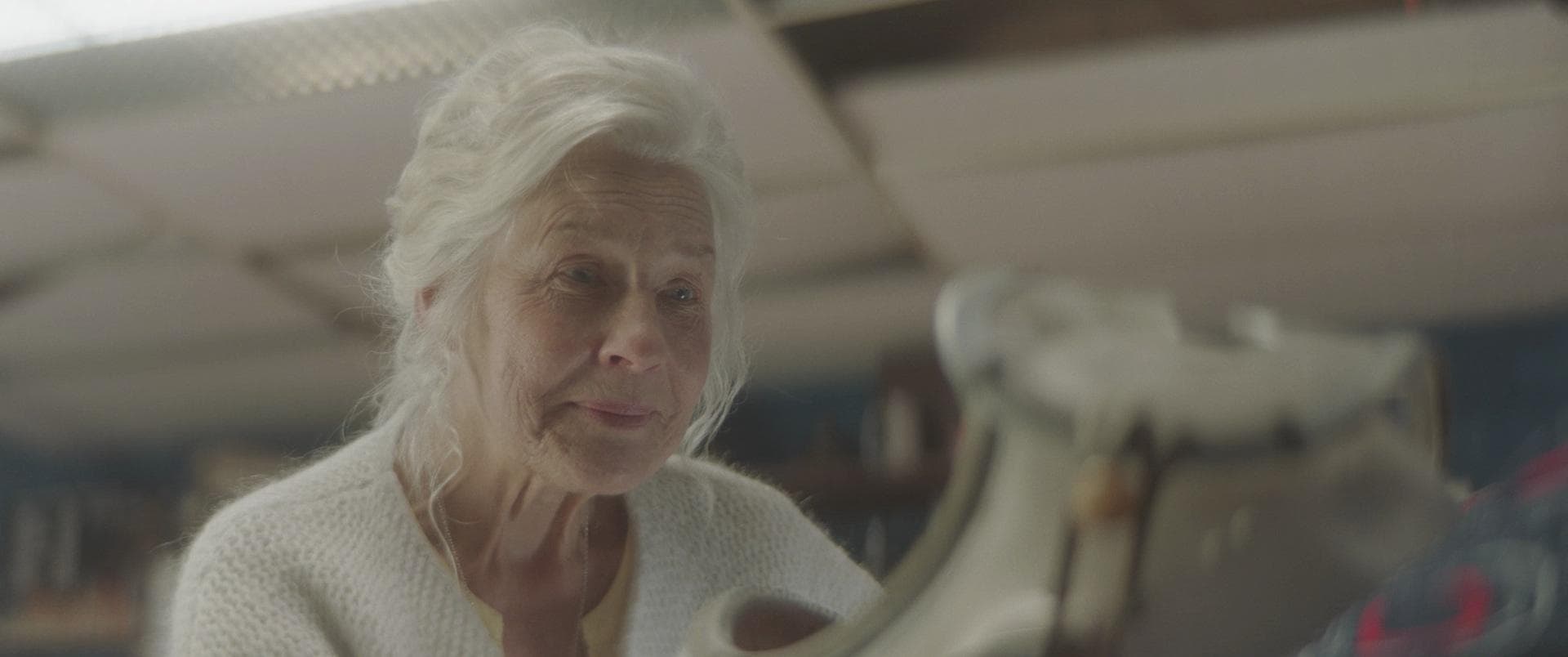
Our position is grounded in creative autonomy because meaningful work requires room for difficult, imperfect, personal and unconventional choices. That freedom carries an obligation to understand those choices well enough to defend them, revise them and accept their consequences. Artistic authority becomes shallow when every uncomfortable outcome can be blamed on convention, technology, an audience or the mysterious habits of “the industry”. Ownership of creative work also means ownership of the decisions embedded within it.
The artist’s responsibility therefore begins with attention and continues through doubt. A filmmaker who remains suspicious of certainty, especially their own, leaves room for another person’s experience to complicate the world they thought they understood. Cinema is powerful precisely because it can make that complication visible and shareable. A film may entertain, disturb, comfort or provoke; its deeper responsibility lies in enlarging what its audience is capable of seeing in another human being.
Before the work existed, something was easier to overlook. The artist’s task is to make overlooking it a little harder.